مقدمة لشركات الأتمتة
تتخصص شركات الأتمتة في تطوير وتنفيذ التقنيات التي تعزز الكفاءة التشغيلية والدقة والإنتاجية عبر الصناعات مع الحد الأدنى من التدخل البشري.توفر هذه الشركات حلول تتراوح من الأنظمة الروبوتية وبرامج التحكم إلى منصات إنترنت الأشياء المتكاملة، تخدم قطاعات مثل التصنيع والطاقة والخدمات اللوجستية والرعاية الصحية. من المتوقع أن يصل سوق الأتمتة العالمي إلى 197.8 مليار دولار بحلول عام 2026 ، مدفوعًا بالتقدم في الذكاء الاصطناعي ،التعلم الآليوتسيطر شركات رائدة مثل سيمنس و ABB و Rockwell Automation على المشهد من خلال الجمع بين ابتكارات الأجهزة مع قدرات الرقمنةتمكين المصانع وسلاسل التوريد من تحقيق مرونة أكبر، والسلامة والاستدامة. وبينما تعطي الصناعات الأولوية للتكيف واتخاذ القرارات القائمة على البيانات ، تواصل شركات الأتمتة التطور ، وتقدم حلول قابلة للتطوير تعالج نقص العمالة,والأنظمة المعقدة ومتطلبات السوق الديناميكية.
التقنيات والحلول الأساسية
شركات الأتمتة تستفيد من مجموعة من التقنيات المتقدمة لتقديم نتائج تحويلية.أنظمة الروبوتاتتشمل الروبوتات الصناعية للمهام المتكررة والروبوتات التعاونية (الروبوتات المشتركة) التي تعمل جنبا إلى جنب مع البشر ، مع شركات مثل ABB و KUKA تقدم أذرع عالية الدقة للتجميع واللحام.منصات التحكم والبرمجياتتشكل العمود الفقري التشغيلي ، مع وحدات تحكم منطقية قابلة للبرمجة (PLCs) ، وأنظمة التحكم الإشرافية واكتساب البيانات (SCADA) ، والتوائم الرقمية للمحاكاة الافتراضية والتحسين.إنترنت الأشياء الصناعي (IIoT)ودمج الذكاء الاصطناعيتمكين المراقبة في الوقت الحقيقي والصيانة التنبؤية واتخاذ القرارات التكيفية،مع شركات مثل سيمنز تضمين تحليلات الذكاء الاصطناعي في مجموعات التشغيل الآلي لتقليل وقت التوقف وتعزيز الإنتاجية.الابتكارات الناشئة مثل الرؤية الحاسوبية القائمة على الذكاء الاصطناعي والحوسبة الحاسوبية تزيد من توسيع القدرات في مجال فحص الجودة والتحكم اللامركزي.
سيناريوهات التطبيق الرئيسية
يتم تخصيص حلول الأتمتة للتحديات الخاصة بالصناعة.التصنيع، شركات مثل روكويل أوتوماتيشن نشر الذراعين الروبوتية وخطوط الإنتاج التي تدفعها الذكاء الاصطناعي لتجميع مكونات السيارات والإلكترونيات، وتحسين اتساق الإنتاج والحد من الأخطاء.قطاع الطاقةتعتمد على Emerson Electric و Honeywell لنظم SCADA وتقنيات الشبكات الذكية ، والتي ترصد خطوط الأنابيب وتحسين توزيع الطاقة مع ضمان الامتثال للسلامة.الخدمات اللوجستية والتخزينيستفيدون من الروبوتات المتنقلة المستقلة من قبل شركات مثل Locus Robotics ، والتي تعمل على تبسيط إدارة المخزون وتلبية الطلبات في مراكز التوزيع.الرعاية الصحية والأدويةاستخدام الأتمتة للتعبئة العقيمة وصياغة الأدوية، مع شركات مثل سيمنز توفير أنظمة متوافقة التي تقلل من مخاطر التلوث.معالجة المياه ومعالجة الأغذيةالاستفادة من الأتمتة القائمة على أجهزة الاستشعار لمراقبة الجودة وإدارة الموارد.
الشركات الرائدة والتخصصات في السوق
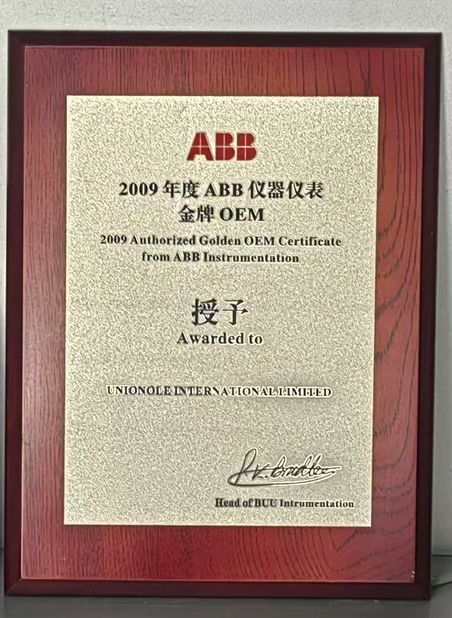
تتضمن صناعة الأتمتة عمالقة راسخين ومبتكرين سريعين.تقديم حلول شاملة للتصنيع الذكيأيه بي بي (السويد/سويسرا) تركز على الروبوتات والكهرباء، مع تطبيقات قوية في صناعات السيارات والصناعات الثقيلة.روكويل أوتوماتيشن (الولايات المتحدة الأمريكية) تدمج تكنولوجيا المعلومات والتكنولوجيا التشغيلية (OT) لتحسين أنظمة التحكم الصناعية، بينما تؤكد شركة شنايدر إلكتريك (فرنسا) على إدارة الطاقة والاستدامة.وتستفيد شركة برايت ماكينز (الولايات المتحدة الأمريكية) من المصانع الصغيرة المحددة برمجيًا لتعزيز المرونة.ويحصل المتخصصون الإقليميون، مثل شركة "وول مارت" للأنظمة المتقدمة والروبوتات في الصين، أيضاً على تأثير من خلال تلبية احتياجات سلسلة التوريد المحلية.
الاتجاهات الناشئة وتوقعات المستقبل
شركات التشغيل الآلي تتقدم نحو أنظمة ذكية متضافرة.الذكاء الاصطناعي والتعلم الآليستسمح بمعدات تحسين الذات التي تتوقع الفشل وتعديل العمليات في الوقت الحقيقي.تكنولوجيا التوأم الرقميوسوف تتوسع، مما يسمح الاختبار الافتراضي والتحسين دون تعطيل العمليات المادية.الأتمتة القائمة على الاستدامةستساعد الصناعات على الحد من النفايات واستخدام الطاقة، بما يتماشى مع أهداف الاقتصاد الدائري.مع أجهزة حافة معالجة المعلومات محليا لرد أسرعستعزز هذه التطورات دور شركات الأتمتة كشركاء أساسيين في تحقيق عمليات صناعية مرنة وفعالة ومتكيفة.
- إندريس + هاوزر
-(ألن برادلي)
-يوكوجاوا
-MTL
-P + F
المزيد من المنتجات
إنجازات الأتمتة المحدودة لديها أكثر من 10 سنوات من الخبرة في سوق الأتمتة الصناعية، المتخصصة في إعادة بيع المختومة في المصنع المسبار، جهاز الاستشعار، DCS، حاجز العزل، HMI، PLC،وصلة و كابل من علامات تجارية مثل بنتلي نيفادا، Endress+Hauser، YOKOGAWA، MTL، Allen-Bradley، Pepperl+Fuchs، Rosemount، ASCO، Schneider، Lenze، Pro-face، Mitsubishi، Omron، Lenze، Delta، Honeywell، Siemens وما إلى ذلكلا تتردد في الاتصال بنا.


 يجب أن تكون رسالتك بين 20-3000 حرف!